
Gypsum Plaster Application Procedure: Step-by-Step Guide
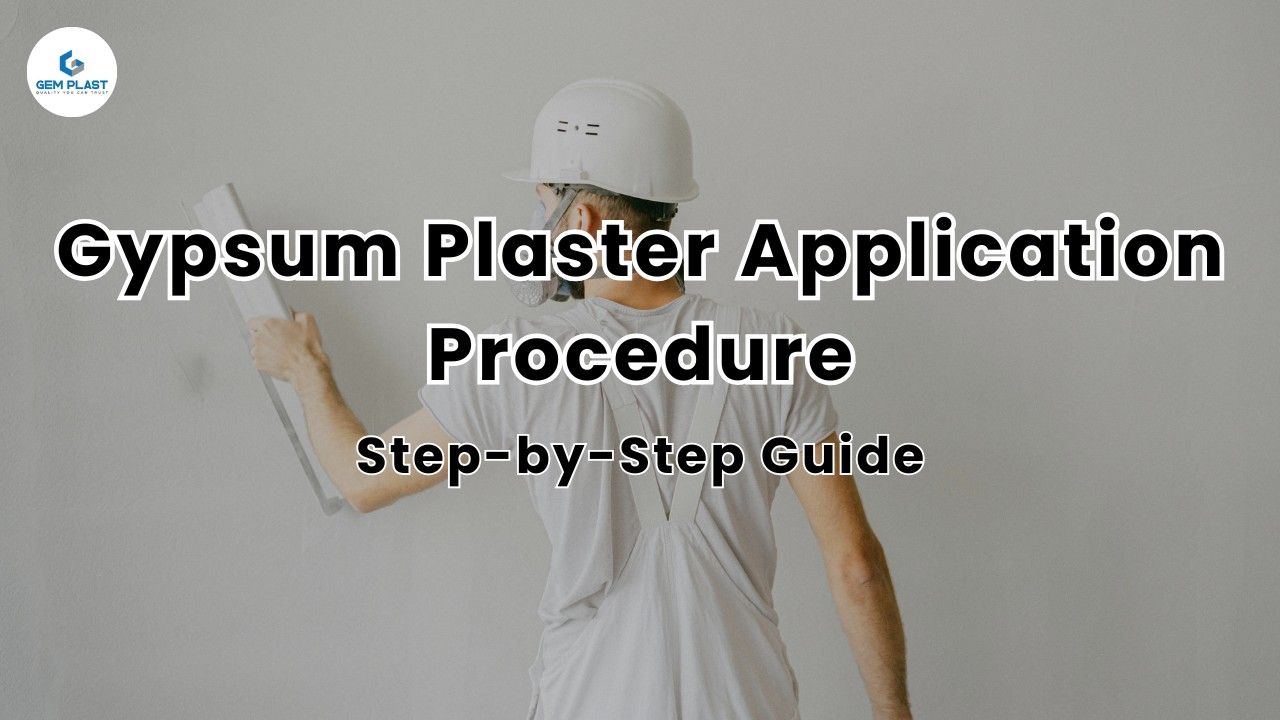
Gypsum plaster is one of the most commonly used materials for wall finishing in India today. Compared to other plastering materials, gypsum plaster has more benefits. The gypsum plaster application procedure is easy to follow and helps you get smooth and strong walls in less time. The walls will last longer for years without any maintenance if we apply gypsum plaster correctly. The gypsum plaster thickness should also to well considered during the application. The application procedure includes several steps from surface preparation to finishing the surface. Each step is equally important for getting the best result.
How Gypsum Plastering Works
Gypsum plastering is a simple process that makes walls smooth and ready for paint. The plaster comes as a fine powder, which is mixed with clean water to make a paste. This paste is then spread on the wall with the help of a trowel or other plastering tools. Once applied, it quickly sets and forms a strong, even surface. Good gypsum plastering work not only saves time and cost but also gives walls a strong base for painting and finishing.
When comparing gypsum plaster vs cement plaster, many builders choose gypsum because it sets faster, gives a smoother finish, and does not need curing. Gypsum plaster does not need long curing with water. After drying, the wall is already smooth, so there is no need for extra layers of putty before painting. This saves both time and effort, while also giving a neat and modern finish. By learning the gypsum plaster application procedure, homeowners can understand how to get smooth and durable walls.
Gypsum Plaster Application Procedure (Step-by-Step)
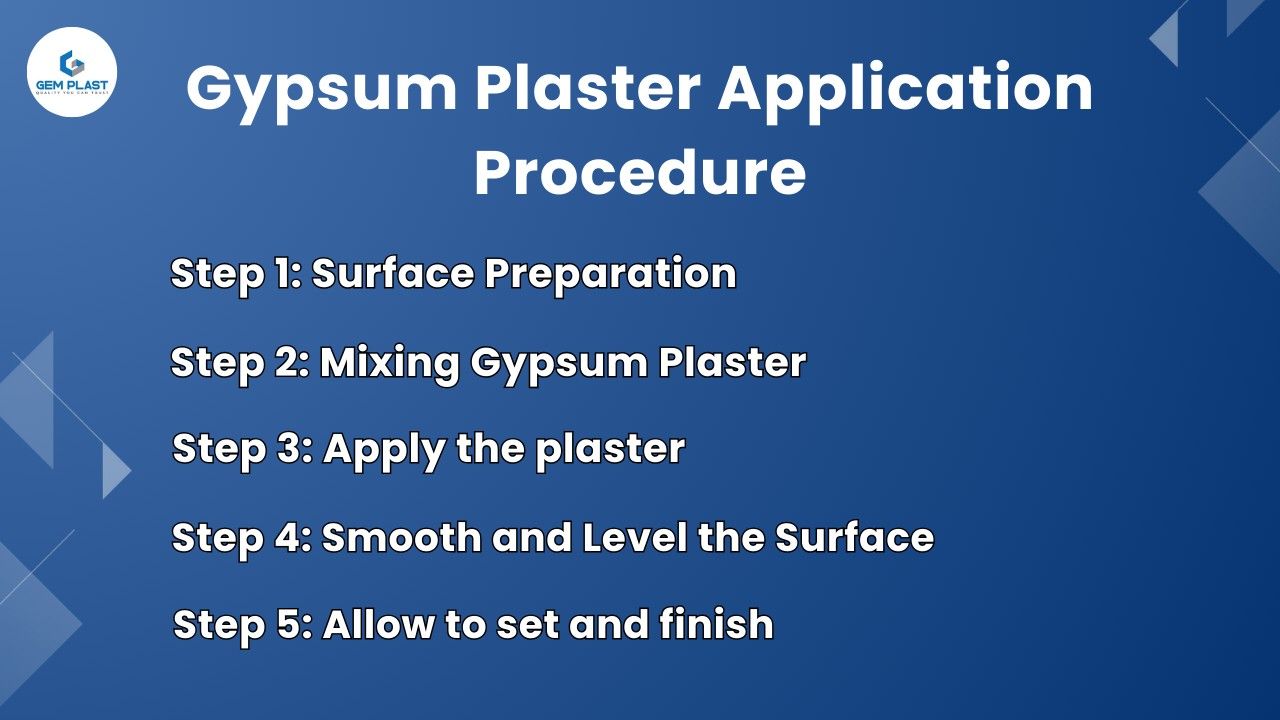
Step 1: Surface Preparation
The first step in gypsum plaster application procedure is preparing the surface. Remove all dust, oil marks, and loose particles because plaster will not stick well on dirty surfaces. Sprinkle a little clean water on the wall or ceiling. This stops the surface from sucking up water from the plaster too quickly, which helps it stick better.
Step 2: Mixing Gypsum Plaster
Add the gypsum powder to clean water in the recommended proportion. Now, stir the mixture well until it becomes a paste. Make sure it has no lumps, and don’t overmix the water; it will affect the quality of the plaster. After mixing, leave the plaster paste aside for about 10 minutes. This gives enough time for the additives to settle and blend well. Then, stir it again for 2 minutes to make it smooth.
Step 3: Apply the plaster
The third step in the gypsum plaster application procedure is applying it to the walls. Once the paste is ready, spread it evenly on the wall using a trowel. Keep the thickness around 8–12 mm. If it’s too thin, the plaster may not last long, and if it’s too thick, it may crack. Apply from the bottom to the top in even motion to stick the plaster very well.
Step 4: Smooth and Level the Surface
Once the paste is ready, spread it evenly on the wall using a trowel. This will remove bumps or ridges and make the surface flat. Finally, wipe the surface lightly with a damp sponge. This helps smooth out small marks and cleans away extra plaster.
Step 5: Allow to set and finish
The setting time of gypsum plaster is comparatively low, and it depends on the climate. In the gypsum plaster application procedure, after setting the wall, it can be smoothed with sandpaper if any roughness is seen. After that, you can apply a final coat for extra finish, or you can start the painting work.
Tips to Get Maximum Results
1. Avoid direct sun during setting
In the gypsum plaster application procedure, never apply plaster under direct sunlight. The surface will dry too quickly, and cracks may appear. Work in shaded areas or cover the wall until the plaster sets properly.
2. Do not apply to wet or already damp walls
If the wall is damp, the plaster will not bond well and may peel off later. Make sure the surface is dry before you start plastering.
3. Finish painting within a short time
Don’t leave plastered walls unpainted for too long. After the setting time, finish painting within the period suggested by the manufacturer. This protects the plaster and keeps the wall looking new.
4. Work in small, manageable batches
Since gypsum plaster sets quickly, don’t mix too much at once. Prepare only what you can apply in the given time for a smooth and even finish.
Common Mistakes to Avoid
1. Using dirty water or tools
Always use clean water and clean tools when working with gypsum plaster. If your tools are dirty, the plaster may set too fast or not stick properly. Even a little dust or old plaster stuck on the trowel can spoil the finish.
2. Making the mixture too watery or too thick
The mix must be just right. If it’s too watery, it will not hold well on the wall. If it’s too thick, it will be hard to spread and may form cracks. Follow the manufacturer’s mixing ratio carefully.
3. Applying plaster too thick in one layer
Never try to put a very thick coat on in one go. If you do, it may not dry evenly and can develop cracks. Keep the thickness between 8–12 mm for the best results.
4. Ignoring cracks or damp patches before plastering
If the wall already has cracks or damp spots, fix them first. If you plaster directly over these problems, the new plaster will not last long and will start peeling or cracking.
5. Working too slowly with the mix
During gypsum plastering work, remember that gypsum plaster sets fast. If you take too long, the plaster will harden in the bucket before you finish applying it. Always mix small batches that you can use within the set time.
Benefits of Correct Gypsum Plaster Application
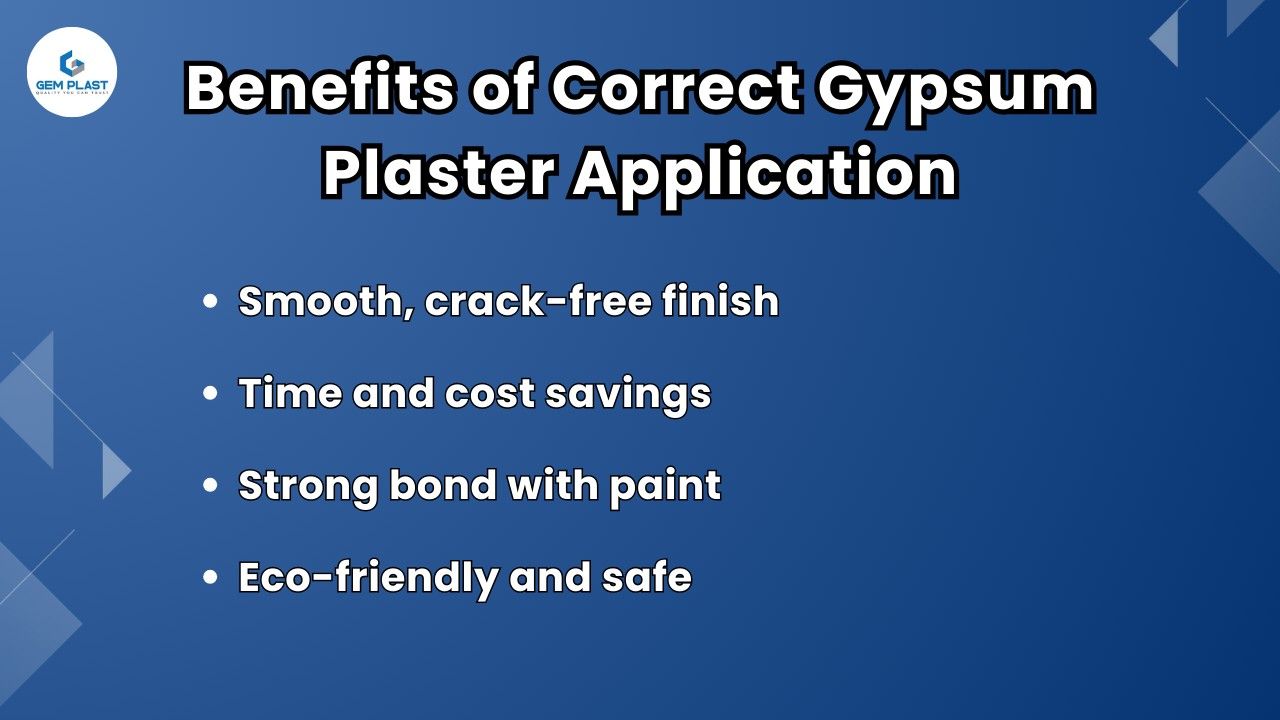
1. Smooth, crack-free finish
Following the correct gypsum plaster application procedure, the wall comes out smooth and even. You don’t see cracks or rough patches, which means less fixing later.
2. Time and cost savings
Unlike cement plaster, gypsum plaster doesn’t need water curing for days. This saves both time and money. You can move to painting much faster.
3. Strong bond with paint
Paint sticks very well on a properly applied gypsum plaster surface. The finish looks brighter, lasts longer, and doesn’t peel off easily. Every plastering expert follows the gypsum plaster application procedure to ensure a strong bond and a crack-free finish.
4. Eco-friendly and safe
Gypsum plaster is made from natural materials. It’s safe to use inside homes and creates less dust compared to cement plaster. This makes it better for both people and the environment.
Conclusion
Following the right gypsum plaster application procedure makes all the difference. When you prepare the surface well, mix in the right ratio, and apply carefully, you get walls that are smooth, strong, and crack-free. A good application also saves time, reduces cost, and gives you a finish that lasts for years. If you want durable and beautiful walls, always use the correct method and never skip the basics. Our team has years of experience in gypsum plastering work, helping homeowners and builders get smooth, crack-free walls.
FAQ
1. What is the correct gypsum plaster application procedure?
The gypsum plaster application procedure starts with cleaning the wall, mixing gypsum plaster with clean water in the right ratio, applying an even coat, leveling it with a straight edge, and finishing with a smooth trowel.
2. How thick should gypsum plaster be applied?
The best thickness is between 8–12 mm in one layer. If it’s too thin, it may not last long. If it’s too thick, it can crack.
3. Do I need to cure gypsum plaster with water like cement plaster?
No. Gypsum plaster does not need water curing. Once it sets, you can start painting much faster compared to cement plaster.
4. How much time does gypsum plaster take to set?
The initial setting time of gypsum plaster is 15 to 20 minutes. The final setting time of gypsum plaster is 22 to 30 days. If the weather is good, the final setting occurs in 5 to 7 days.
5. Can gypsum plaster be used on damp or wet walls?
No. Gypsum plaster should only be applied on dry walls. If the wall has dampness or cracks, fix those first for the plaster to last longer.