
How to Mix Gypsum Plaster: The Complete Guide for Smooth & Crack-Free Walls
Gypsum plaster is a well-known wall finisher because it offers a smooth and elegant surface that does not call for polishing or sanding. It is made of natural gypsum, it is eco-friendly, simple to apply and dry quickly which makes it a popular option for both builders and homeowners. Being aware of how to mix gypsum plaster properly is crucial because the correct mix will ensure a strong bond, smooth finish and walls that remain free of cracks for years. In this guide, you’ll be taught the basic steps to follow, and also the right gypsum plaster mixing ratio to achieve the best results every time.
Here are a few of the advantages that make it stand out
1. Smooth and High-Quality Finish
Gypsum plaster provides a naturally flat and uniform surface, which is ideal for painting or decorating. As compared to cement plaster vs gypsum plaster, it doesn’t require any additional finishing work, thereby saving time and effort.
2. Crack-Free Surface
If you understand how to mix gypsum plaster correctly, it creates solid bonds with the wall. It stops cracks that are caused by the shrinkage of the wall or changes in temperature. It helps keep your walls neat and beautiful for many years.
3. The Quick Setting Time of Gypsum plaster
4. Lightweight and Easy to Apply
It’s lightweight and simple to apply and handle. It also relieve the burden on the structure and is a major benefit to modern buildings.
5. Eco-Friendly and Non-Toxic
Gypsum is a naturally occurring mineral that is completely appropriate for indoor usage. It is a great way to maintain a healthy indoor air quality, and doesn’t release harmful chemicals which makes it an eco sustainable option.
Why Correct Mixing Matters
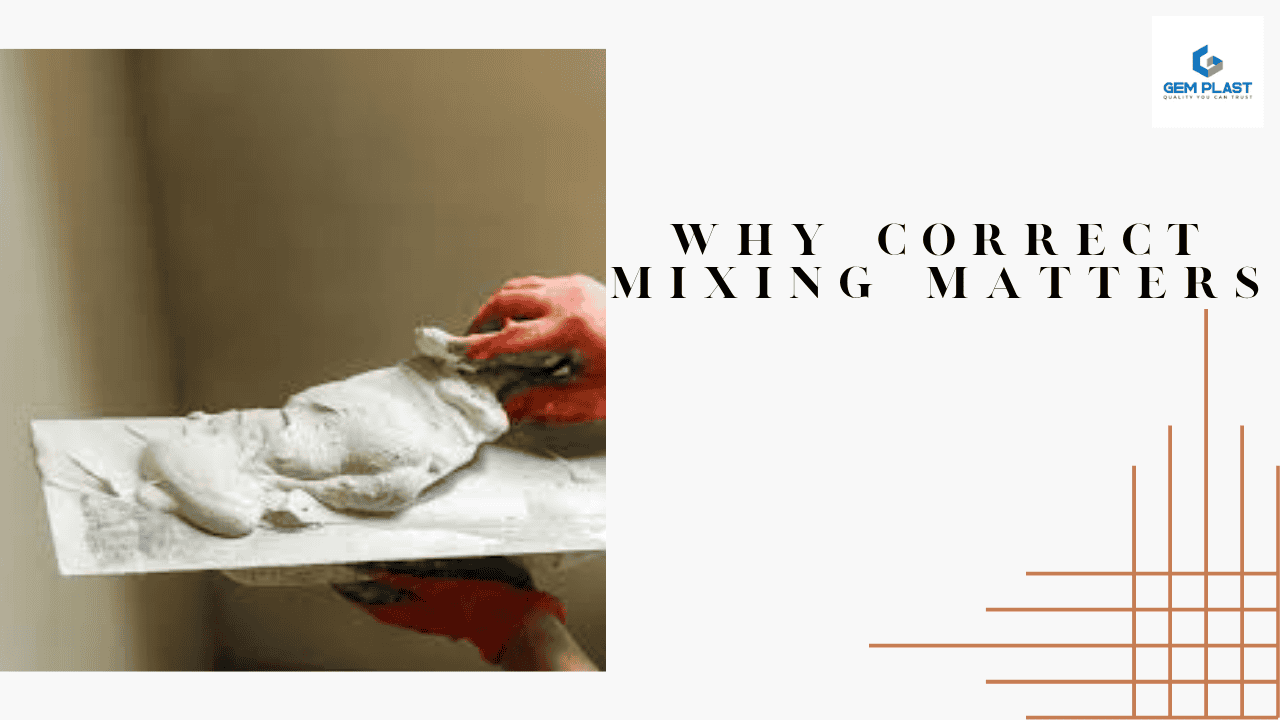
Finding the perfect mix is the primary step to achieving strong and smooth walls made of the use of gypsum. If you know how to mix gypsum plaster correctly, it will ensure an ideal balance of durability, strength, and finishing. When the gypsum plaster thickness is too much, it becomes difficult to spread and could dry in irregular ways, causing cracks. However, when it’s too wet, it could lose its strength and fail to bond properly to the surface. Proper mixing ensures the proper consistency, so that the plaster stays firmly and sets equally. It also creates a smooth, long-lasting finish.
Materials You'll Need For a Perfect Mixing
To get the most efficient outcomes, you must utilize the appropriate equipment and materials while learning how to mix gypsum plaster. Each component plays a crucial role in creating the perfect consistency, achieving the right characteristics of gypsum plaster, and ensuring a smooth, quality finish
1. Gypsum Plaster Powder
This is the most important ingredient. Make sure to use high-quality gypsum from a reputable brand like Gemplast to ensure a smooth application and lasting durability.
2. Clean Water
Make sure to use clean, fresh water to mix. Salty or dirty water may influence the time for setting and the strength of bonding in the plaster.
3. Mixing Bucket or tub
Pick a clean and large container with enough space to allow for even mixing. Do not use old buckets that have dried plaster because it could cause lumps to form in the mix.
4. Mixing Tool or Hand Mixer
Mixing rods or an electric hand mixer can help blend the water and the plaster smoothly. A proper mixing process ensures that there aren’t dry patches or air bubbles inside the plaster.
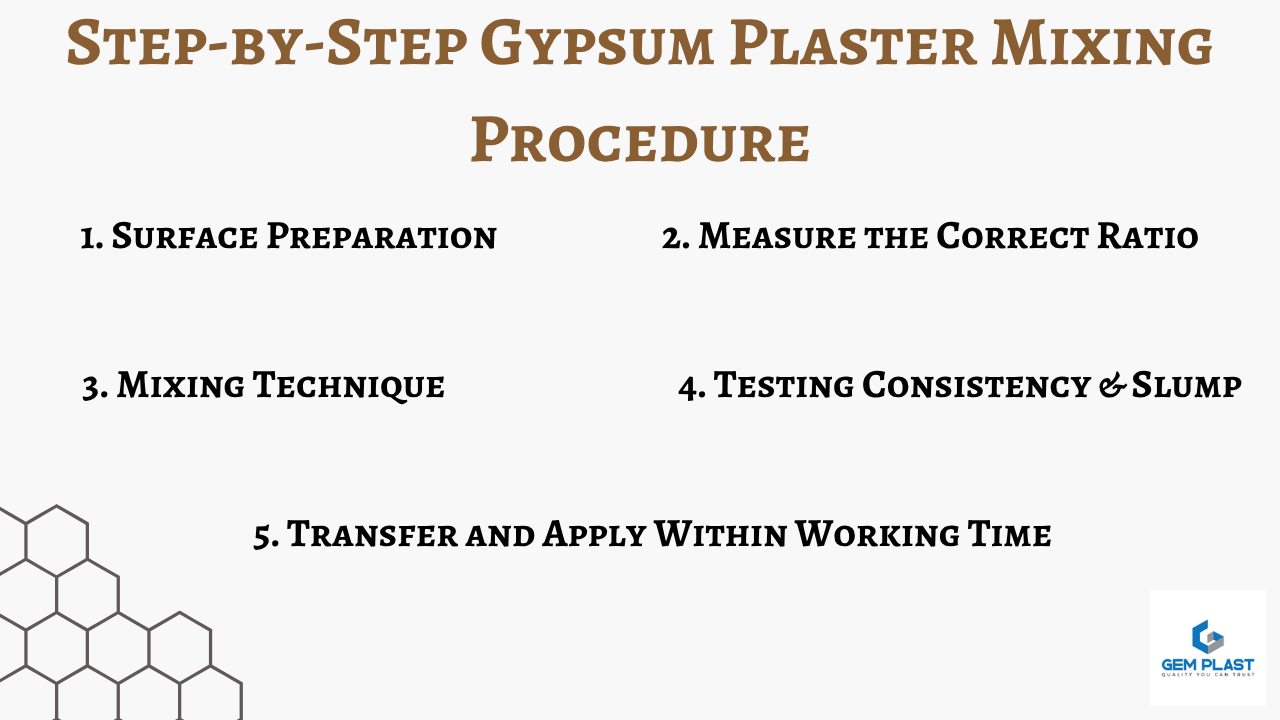
Step-by-Step Gypsum Plaster Mixing Procedure
Making the right batch of Gypsum plaster is the very first step towards achieving the smooth, durable surface. Even if you are aware of how to mix gypsum plaster precisely, mixing a low-quality or old batch could cause cracks and weak bonds. Be sure to check the manufacturing and expiry dates prior to buying. Gypsum plaster should be clean and dry. Beware of bags that are hard or contain lumps. Check that the packaging is properly sealed and shows no indications of damage from moisture.
It’s also important to select a trusted brand that adheres to the same quality standards. Brands such as Gemplast are known for their reliable quality and performance, helping to achieve the ideal blend and finish.
This is a step-by-step instruction for how to mix gypsum plaster:
1. Surface Preparation
Before you begin mixing, make sure that the wall is dry, clean, and free of dust or oil particles. A clean surface will help the plaster stick well and avoid cracks in the future. If the wall is moist, you can lightly wet it. If the wall is too dry. This will ensure more bonding when you apply the plaster.
2. Measure the Correct Ratio
The right ratio of water and plaster is crucial. Always follow the directions of the manufacturer within the packaging. In general, mix the small amounts of plaster powder into clean water, and not the other way around. A proper ratio will ensure that your plaster remains smooth and easy to spread and durable after drying.
3. Mixing Technique
Mix the mix continuously with a rod of mixing or an electric mixer until it’s smooth and free of lumps. A proper mixing technique is essential for a smooth texture. Be careful not to overmix since it may cause the cement to set too quickly and cut down on the time for work.
4. Testing Consistency & Slump
Make sure the consistency is checked by scooping a small portion using a tool for putting it on. The mixture should spread quickly without leaking. If it’s too thick, you can add water. If it’s thin, you can add additional plaster powder. The perfect mix will hold its shape but remain flexible enough to be applied smoothly.
5. Transfer and Apply Within Working Time
Once the mixture is mixed, you can use the plaster right away. The plaster is set quickly generally within 15 minutes. Transfer it to the application location and begin to apply it in layers that are even. Do not use leftover or hardened plaster because it may alter the finish and quality of walls.
Common Mistakes and How to Avoid Them
Even if you’re aware of how to mix gypsum plaster, minor mistakes made during the preparation process or during application could affect the final outcome. These are the most common mistakes and tips on how to avoid them for smooth, durable final.
1. Incorrect Ratio
Making the wrong proportion of water to plaster is one of the most serious errors. The excess water makes the plaster runny and weak and too little makes it difficult to spread.
What to Avoid: Always bond to the mixing ratio as stated in the label of the product. Pour the plaster mix slowly into clean water, mixing until it has an even, smooth texture.
2. Over-Mixing or Under-Mixing
Overmixing may cause the plaster to set too quickly, and undermixing can cause the plaster to have lumps or uneven textures. Both cause poor finish and cracks.
What to avoid this: Mix gently and continuously until you have an even, lump-free paste. Make use of a clean mixing rod or hand-mixer, and make sure you don’t mix over a long period of time.
3. Delayed Application After Mixing
It sets fast, typically within 15 to 20 minutes. In the event of a delay after mixing, it could make it difficult to apply and decrease the bonding power.
What to avoid: Do not prepare more than the amount that you will need immediately. Apply the plaster just after mixing for the most effective outcomes.
4. Using Contaminated Water or Dirty Tools
Clean water or dirty tools may influence the chemical reaction of the plaster and cause weak bonds or uneven areas. Older plaster that is stuck to tools may result in lumps.
What to avoid: Always use clean, pure water, and clean your equipment before mixing. Keep your mixing bucket clean from the old plaster leftovers.
5. Not Preparing the Surface Properly
Placing plaster on a smudge-prone or oily surface can prevent it from attaching well. This could cause cracks or peeling in the future.
What to avoid: Cleaning the walls thoroughly before putting down the plaster. Clean off any loose paint, dust, or grease, and gently moisture the surface so that the plaster bonds better.
How to Finish and Care for Your Gypsum Plaster
Once the mix is prepared making it easy to apply it the same in knowing how to mix gypsum plaster. Begin by applying the plaster evenly to the ceiling or wall with an unclean trowel. Apply the plaster in smooth continuous strokes, and avoid pushing too far. Apply thin layers instead of one large coat. This will give you more bonding and a more polished surface.
The timing is the most important aspect in achieving a smooth surface. Gypsum plaster starts to set rapidly, so begin the first trowelling session when the surface begins to firm up. Continue to smooth the surface until you have a smooth appearance. Be careful not to overwork the plaster if it becomes too tough, because it could leave scratches as well as cracks.After the plaster has dried completely regular maintenance will ensure that your walls will remain beautiful for many years. Be sure to keep the walls free of humidity and do not paint too late. Let the plaster air and dry naturally to get the most optimal outcomes.
Conclusion
Knowing how to mix gypsum plaster properly is essential to creating smooth, neat, and non-cracking walls. From selecting a top-quality batch to making the wall, determining the proper ratio, and mixing it in the right way, each process plays a vital impact on the final product. When the mix is placed in a timely manner and completed with the proper procedure, you’ll have a professional, clean appearance that will last for years.
Beware of common mistakes by using clean tools and taking care to follow the correct aftercare procedures, so that the plaster is properly cured and remains in good shape. No matter if you’re a beginner or a professional looking to enhance the skills you have, these steps can help you get an excellent bond, smooth finish, and long-lasting durability. If you use the right materials, the right mixing and a careful installation, your work will be much easier, quicker and more durable and gives your walls the professional finish they deserve.
FAQ
1. What is the best ratio of water to gypsum
The most effective ratio is generally 1 part water to 1.5-2 parts gypsum by volume. This ratio results in an even, lump-free paste with a good working capacity. Manufacturers might suggest slight differences, and you should always verify the bag prior to mixing.
2. Can the gypsum plaster mix with other ingredients?
Yes, but only manufacturer-approved additives should be used.
Common additives are:
- Retarders (to improve the setting time)
- Agents for bonding
- Plasticizers (for easier spreading)
Do not add cement or sand because it weakens the gypsum plaster, which causes cracking.
3. What time do I have until the mix has set and needs to be put in place?
Gypsum plaster is ussually used for 15 to 20 minutes. Then, it begins getting hard and shouldn’t be mixed with water. For large areas, mix smaller batches of mixtures to reduce the waste.
4. Are gypsum-based plasters suitable for wet zones?
It is not recommended for exterior walls, bathrooms kitchens, bathrooms or any other area that is which is subject to water. It is best suited for dry ceilings and walls. In wet areas, cement plaster is more secure.
5. What can I do to fix small cracks in gypsum plaster?
To treat hairline fractures
- Scrub the surface lightly
- Apply a thin layer fresh gypsum or ready-made wall putty
- Sand smooth after drying
For cracks with deeper depths you can cut a V-groove that is shallow prior to filling the cracks to create a solid bond.